
Treatment
After the cast is removed
Pain Relief
Returning to Normal Activities
Treatment
If a child breaks a bone in their lower limb (leg), they will likely have a cast placed on their leg to support it whilst the bone heals.
 Where your child’s fracture is will determine what is used to support the bone’s healing:
- A full cast will be used if the fracture is either above or below the knee
Read: How to Care for your Plaster Cast - A backslab (a partial cast held in place by bandages) allows swelling to reduce before changing to a full cast
- An aircast boot (an ankle boot) allows distributed weight bearing whilst supporting bone healing. This can be removed to allow gentle range of movement exercises and cleaning.
Your clinician will explain which treatment is best for your child’s fracture. If your child is in a full cast or backslab they will usually be non-weight bearing until this is removed. Your clinician in trauma clinic will explain what your child should and shouldn’t do, and whether to put weight on the leg.
After the cast is removed
The healing process continues after the cast has been removed. New layers of bone continue to be laid and ‘remodelling’ phase commences.
It is normal, once the cast has been removed, to experience some changes in your leg such as;
- The joints feeling stiff
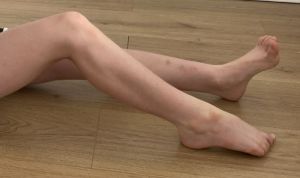
- The leg being slightly smaller than the other side
- The fracture site being prone to swelling
- The skin being dry, flaky and sometimes having changes in hair growth.
As the leg muscles have not been used for a while they will be weaker initially.
Once the cast is removed it is normal for your child to complain of aches and discomfort when using that leg more. These should be easily managed with adequate pain relief.
Pain Relief
It is normal to experience mild pain and some children will require pain relief like Paracetamol or anti-inflammatories such as ibuprofen.
See NHS 111 Wales guidelines here on pain relief.
You can also seek advice from your local pharmacy.
Returning to Normal Activities
Initially after your cast is removed, try to avoid any high impact activities such as jumping, running or climbing.
Start off with slow walks and increase the distance and speed at a steady pace and it is not causing increased pain or discomfort.
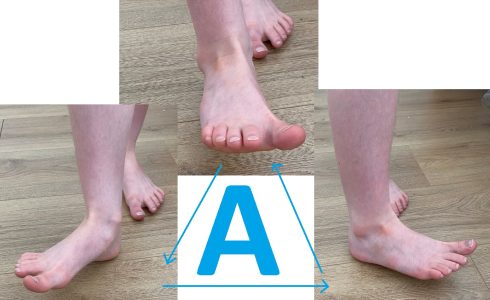
Your child might initially walk with a limp or foot turned out slightly, this is common and will usually correct itself when your child returns to normal routine activities, walking and play within a couple of months.
The leg will return to normal size and walking should return to normal within a short space of time.