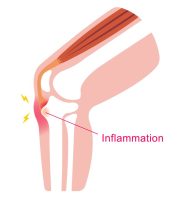
The knee is the largest joint in your body, found between your thigh and shin.
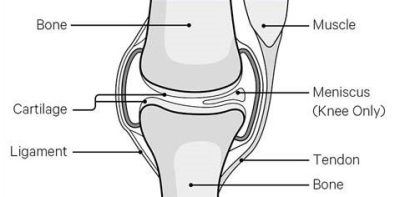
The knee joint is supported by strong ligaments, muscles and tendons which give stability, and menisci (cartilage) which act as shock absorbers all allowing the knee to move.
It is quite common for children to complain of knee pain without having sustained any type of trauma or injury especially active adolescents. The most common reason for knee pain in children is due to overuse.
If your child is limping and develops any of the following signs you should urgently call 111 who will triage if your child needs urgent care:
Your child may also need to see a doctor urgently if they have fallen or twisted their knee and:
If this happens, you should urgently call 111 who will triage if your child needs urgent care.
If you see a healthcare professional about your child’s knee pain, they will likely also examine your child’s hips. This is because sometimes pain can be felt in the knee due to a problem at the hip. This sort of pain is known as referred pain.
There are some conditions affecting the knee joint which are specifically seen in children and young people who are still growing, such as Osgood Schlatters disease and Sinding-Larsen-Johansson syndrome.
It is normal to experience mild pain and some children will require pain relief like Paracetamol or anti-inflammatories such as ibuprofen.
See NHS 111 Wales guidelines here on pain relief.
You can also seek advice from your local pharmacy.
Keeping active is an essential part of your child’s treatment and recovery and is the single best thing they can do for their health.
For some conditions, certain activities may need to be avoided during particular stages of the healing process. A physiotherapist will give you specific advice for your child if this is the case.
If your child finds running and jumping activities difficult because of their knee pain, they may prefer to try a period of lower impact activities such as swimming, riding a bike or scooter to keep them active while letting their knee pain settle.
Being physically active throughout their recovery can:
It’s recommended your child stays at or returns to school as quickly as possible during their recovery. Your child’s physiotherapist can work with you and your child’s school to help support your child’s physical needs if required.
Within the first 24 to 48 hours after a knee problem has started you should try to:
After 48 hours:
You may find the links below useful once your child has seen a health professional and diagnosed the condition.


If you have any concerns or queries about your child’s recovery please contact Dolphin Outpatients on 02921 847577.
If you child does not have an appointment arranged with physio and symptoms continue or are not improving gradually, then you can self-refer your child to the Paediatric physiotherapy outpatient department by telephoning our referral line on 02921836908.

We’re currently working to improve the Keeping Me Well website. If you’d like to help us make this site a better, more helpful experience for you, please take a few minutes to let us know what improvements you’d like to see.